
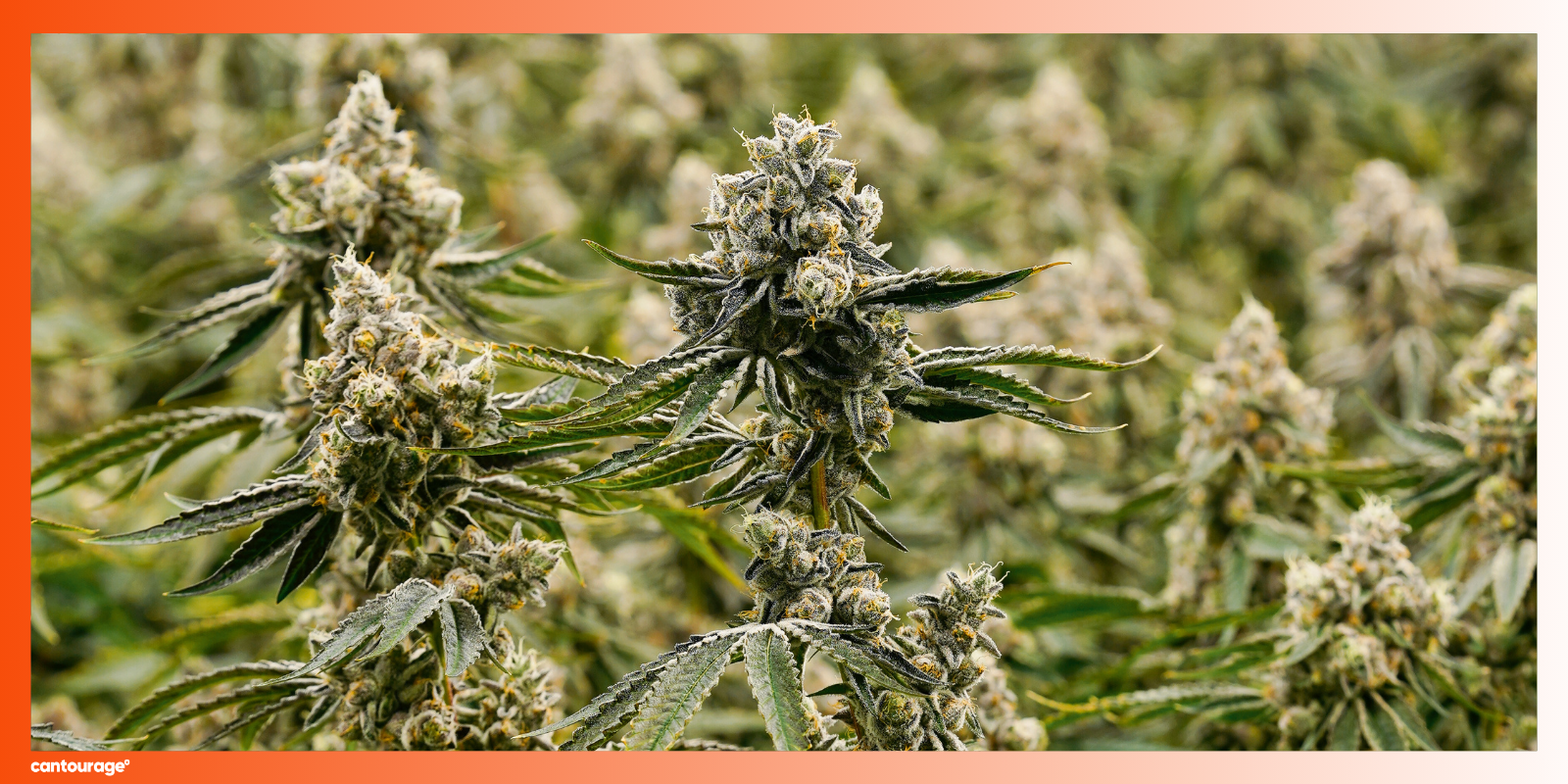
Medical cannabis has become one of the most talked-about areas of modern healthcare. Advances in scientific research, growing patient access and evolving regulation have transformed how cannabis-based medicines are understood and prescribed.
Yet despite this progress, medical cannabis is far from a new concept.
The history of medical cannabis dates back more than 5,000 years. Ancient physicians documented its therapeutic use long before the development of modern pharmacology, and cultures across Asia, Africa and Europe independently recognised its medicinal potential. While historical accounts should never replace scientific evidence, they help explain why researchers continue to investigate cannabis and its cannabinoids today.
The Earliest Recorded Use of Medical Cannabis
The earliest known records of medical cannabis originate from ancient China around 2700 BCE. Cannabis was included in one of the world's oldest pharmacopoeias, where it was described as a treatment for a variety of conditions including pain and rheumatic disorders.
Its use was not limited to China.
Ancient Egyptian medical texts, including the Ebers Papyrus, reference cannabis preparations used for inflammatory conditions. In India, cannabis was incorporated into traditional medicine and documented for its use in supporting digestion, relieving discomfort and promoting wellbeing.
These records are significant because they emerged from different cultures over many centuries. Despite having no connection to one another, each identified cannabis as a plant with therapeutic potential.
What Can History Tell Us?
Historical use does not prove that a medicine is safe or effective.
Modern healthcare depends on high-quality clinical trials, regulatory oversight and ongoing scientific evaluation. Every medicine prescribed today must meet rigorous standards before it becomes part of routine clinical practice.
History serves a different purpose.
It shows where interest began and helps explain why scientists continue to investigate certain medicines. Many established treatments have similar origins. Aspirin was developed from compounds found in willow bark, while digitalis originated from foxglove. Traditional observations became the starting point for scientific research.
Medical cannabis follows the same principle.
The role of modern research is not to validate history. It is to investigate historical observations using robust scientific methods and determine where cannabis-based medicines have an appropriate role in healthcare.
Medical Cannabis in Victorian Britain
Medical cannabis also has an important place in British medical history.
In 1842, Irish physician William O'Shaughnessy published research after studying cannabis while working in India. His findings introduced cannabis preparations into Western medicine, where they were prescribed for conditions including chronic pain, muscle spasms, convulsions and rheumatic diseases.
By the late nineteenth century, cannabis tinctures were available in British pharmacies and formed part of everyday medical practice.
For doctors of the time, cannabis was another therapeutic option within their prescribing toolkit.
Why Did Medical Cannabis Disappear?
Given its long history, a common question follows.
Why did medical cannabis disappear from mainstream medicine?
The answer is closely linked to changing legislation and public attitudes during the twentieth century. International drug control policies, prohibition and increasing social stigma led to a significant decline in both medical use and scientific research.
As research slowed, public understanding became increasingly shaped by perception rather than evidence.
This created a gap in scientific knowledge that researchers are still working to address today.
Modern Research Has Changed the Conversation
Modern cannabinoid research accelerated in 1964 when scientists isolated tetrahydrocannabinol (THC), one of the primary cannabinoids found in cannabis. This discovery helped pave the way for decades of research, including the identification of the human endocannabinoid system and a greater understanding of how cannabinoids interact with the body.
Today, research into cannabis-based medicines continues to expand.
Scientists are investigating cannabinoids across a range of therapeutic areas, while clinicians continue to contribute to the evidence base through clinical studies and real-world patient outcomes.
As with any medicine, research remains essential. Evidence should continue to guide prescribing decisions, clinical guidelines and future innovation.
Medical Cannabis in the UK Today
In November 2018, specialist doctors in the UK were permitted to prescribe cannabis-based prescription medicines (CBPMs) under specific circumstances.
For many people, this marked the beginning of medical cannabis in the UK.
In reality, it marked the return of a medicine with a much longer history.
Today's prescribing framework is supported by specialist clinicians, regulatory oversight and an expanding body of clinical evidence. The focus is no longer on historical use alone. It is on understanding where cannabis-based medicines may have a role in modern healthcare through ongoing research and evidence-based practice.
Why History Still Matters
The history of medical cannabis is not an argument for prescribing.
It is a reminder that medical innovation often builds on centuries of observation before scientific understanding catches up.
Many medicines that are widely accepted today followed a similar path. Initial observations led to research. Research led to evidence. Evidence informed clinical practice.
Medical cannabis is following that same process.
As scientific knowledge continues to develop, the emphasis must remain on high-quality research, transparent regulation and patient-centred care.
Final Thoughts
Medical cannabis is one of the oldest documented medicines in recorded history.
Its place in modern healthcare should not be determined by tradition, public opinion or stigma. It should be determined by evidence.
Looking back at more than 5,000 years of documented medical use provides important context for today's research. Looking ahead, continued scientific investigation will determine how cannabis-based medicines continue to evolve within modern clinical practice.
